To Tour or Not To Tour
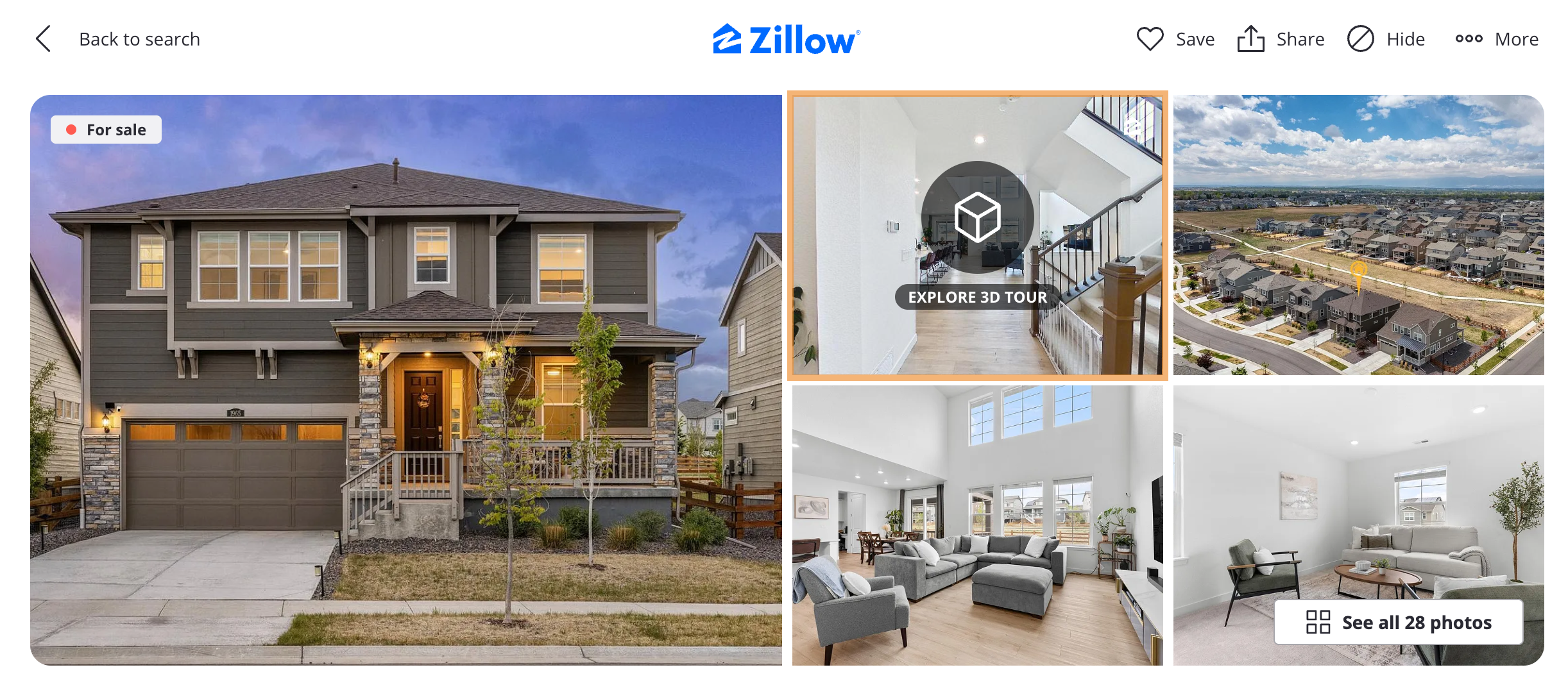
The above listing media was shot by Altitude Property Media.
Virtual tours can be incredibly useful. According to Zillow, nearly 70% of buyers say they want a virtual tour when they’re excited about a listing. But a virtual tour can also quietly hurt a listing when used in the wrong situation.
The question isn’t whether a home should have a tour. The question is when a tour actually helps a buyer move forward.
Tours tend to work best when:
Layout clarity is a major selling feature
The home flows well from room to room
Buyers need help understanding how spaces connect
In those cases, a tour reduces uncertainty and builds confidence.
Agents also often ask about Matterport vs Zillow Home Tours. Both can be effective, but they serve slightly different purposes.
Matterport excels when spatial understanding matters. It’s ideal for complex layouts, larger homes, or properties where flow is part of the value.
Zillow Home Tours are lighter and more accessible, and can help listings gain additional visibility within Zillow’s platform, especially when buyers are browsing quickly.
The goal isn’t choosing the “better” platform. It’s choosing the tool that fits the listing and the marketing strategy behind it.
There are also times when a tour can work against you.
If a home has quirks, tight transitions, or areas that read better in person than online, a full tour can cause buyers to “pre-reject” before they ever step inside. Photos create curiosity. Tours answer questions. If you answer everything too early, you sometimes lose momentum.
This is especially true when:
Curb appeal is modest
The emotional draw of the home is atmosphere, not layout
The strongest features reveal themselves in person
In those cases, strong photography often outperforms a tour in generating initial interest.
The takeaway, tours are a filtering tool, not always a default upgrade. They help serious buyers evaluate. They don’t always help casual buyers engage.
Hope this helps. See you in the next email.